Education is no longer limited to textbooks or classroom memorisation. Students need real world skills, practical exposure, and the ability to apply what they learn. This is where practical learning in ICSE plays a transformative role.
The Indian Certificate of Secondary Education (ICSE) has always focused on a balanced approach, blending theory with meaningful experiences. This blog explores how practical learning in ICSE is shaping the next generation of learners and why it matters more.
Understanding the ICSE Philosophy
The ICSE curriculum distinguishes itself with its reliance on comprehension, real life application, and skill development. Instead of encouraging rote memorisation, the board motivates students to think, do, explore, and discover.
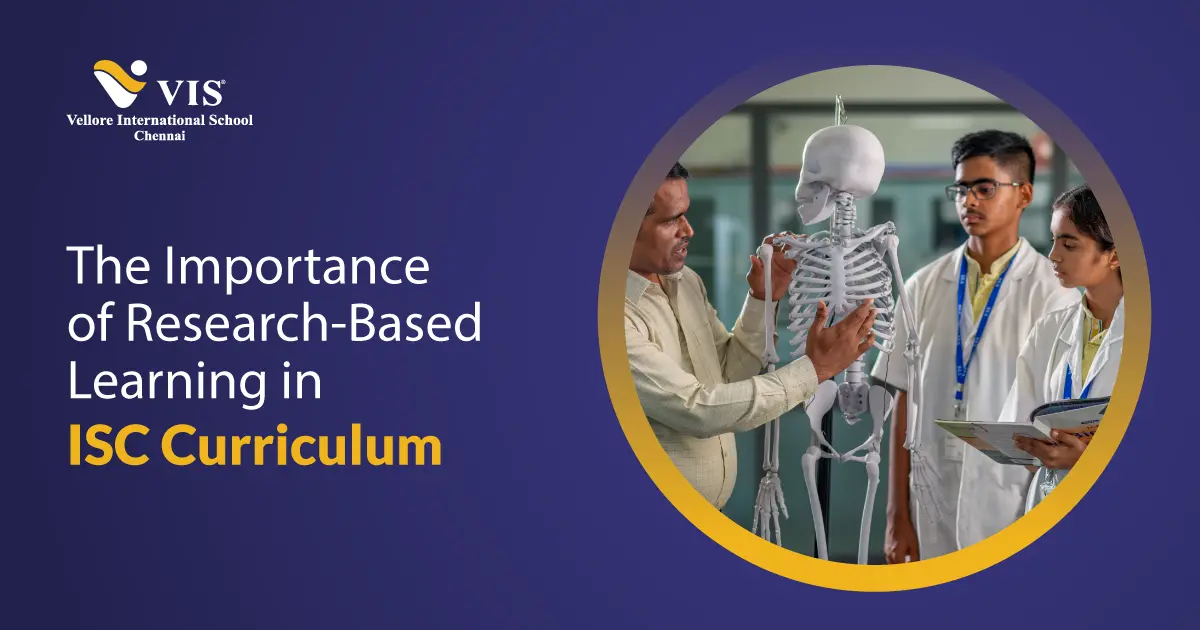
This is why practical learning in ICSE is the very foundation of how subjects are taught. If it’s maths, science, geography, languages, art, or computer applications, each subject is designed with activities, assignments, experiments, and project assessments that deepen understanding.
Parents often appreciate that the benefits of practical learning translate into stronger performance, better retention of information, and higher confidence during examinations. ICSE’s philosophy is simple: when a child learns by doing, they learn for life.
The Role of Practical Learning in ICSE Education
1) Strengthens Conceptual Understanding
Most young learners struggle when they cannot relate classroom concepts to real life. But through practical learning in ICSE, abstract ideas become tangible. For example:
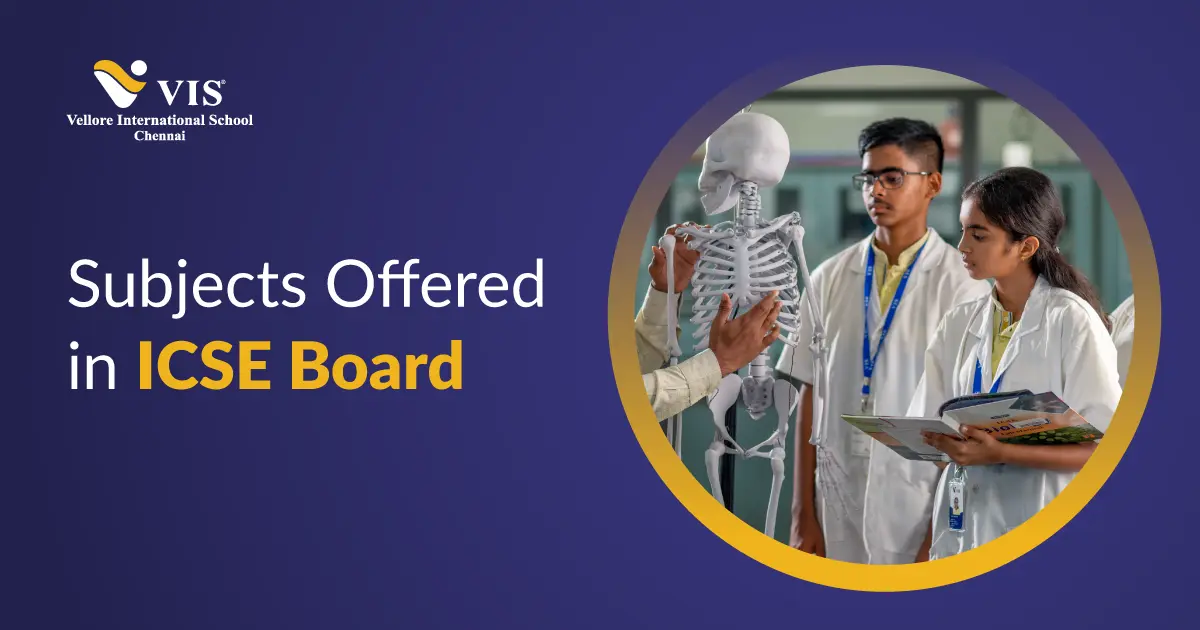
- Science concepts come alive through experiments.
- Mathematics becomes meaningful through real life applications like budgeting or measurements.
- Geography includes map reading, fieldwork, and model making.
- Computer applications focus on coding, algorithms, and problem-solving.
- Languages are explored through dramatisation, debates, and creative writing.
The benefits of practical learning go beyond scoring high marks. Practical exposure helps students process, internalise, and confidently apply concepts in new situations. This dramatically improves comprehension and eliminates learning gaps early.
2) Building Critical Thinking & Problem-Solving Skills
One of the greatest strengths of practical learning in ICSE is the development of critical thinking. Instead of simply reading facts, students engage in activities that require reasoning, experimentation, and decision making.
When students:
- Test a hypothesis,
- Analyse results,
- Correct their mistakes,
- Brainstorm alternatives, and
- Evaluate different solutions,
They develop invaluable 21st-century skills.
This method of learning ensures that students approach them with curiosity and confidence. The benefits of practical learning also include helping students understand that making mistakes is part of growth. This mindset nurtures resilience and adaptability.
3) Increasing Student Engagement & Motivation
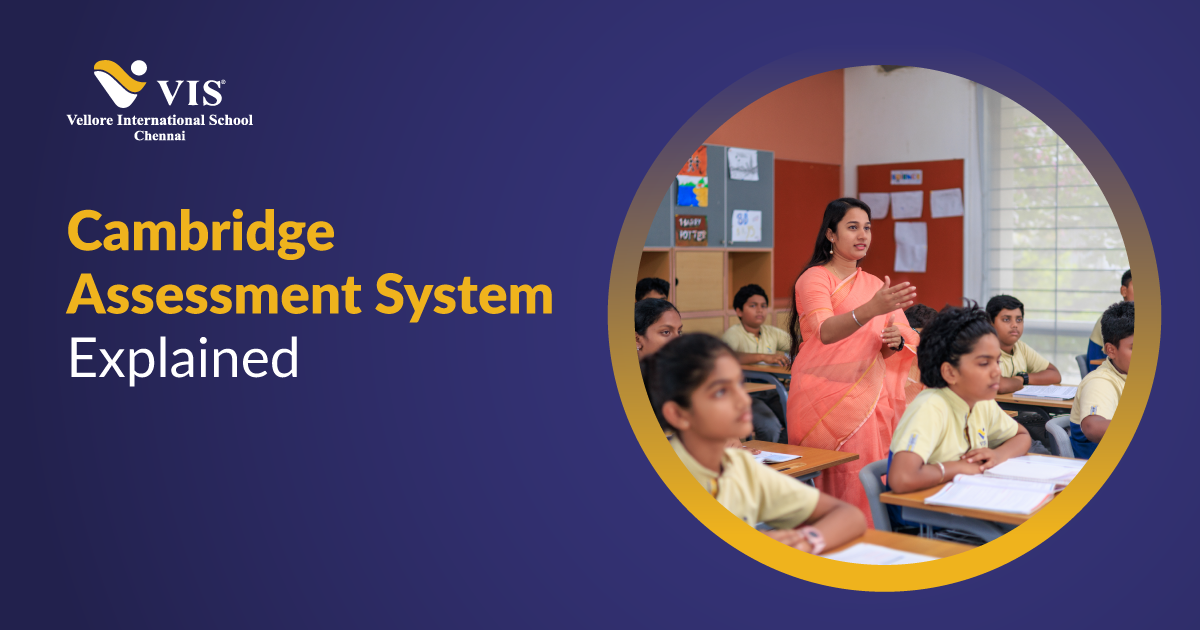
Children learn best when they are active participants rather than passive listeners. Traditional teaching methods can sometimes limit attention span, especially for younger students. However, practical learning in ICSE keeps learners engaged through practical activities.
If they are creating models, conducting experiments, coding, painting, role playing, or exploring nature, students enjoy learning because it feels meaningful. Engagement and curiosity naturally lead to deeper understanding, stronger recall, and higher academic performance.
The benefits of practical learning are evident when students look forward to class, participate actively, ask more questions, and take ownership of their learning. When education becomes enjoyable, students become more self driven and confident.
4) Connecting Classroom Learning to the Real World
One of the most remarkable advantages of practical learning in ICSE is its ability to connect theory with real life scenarios.
If it is calculating GST in mathematics, examining plant species during a nature walk, analysing weather patterns in geography, or participating in mock business fairs, students learn how subjects impact their everyday life. The benefits of practical learning here include:
- Improved decision making in real situations
- A better understanding of how the world works
- The ability to apply concepts across contexts
- Stronger logical reasoning
- Early exposure to career paths
This real world connection creates responsible, informed, and thoughtful citizens, one of the primary goals of ICSE education.
5) Creativity, Innovation & Future Skills
Today’s world rewards creativity and innovation. Industries are looking for individuals who can think differently, build solutions, and adapt to new technologies. ICSE’s structure ensures that practical learning in ICSE nurtures creativity through:
- Art integrated projects
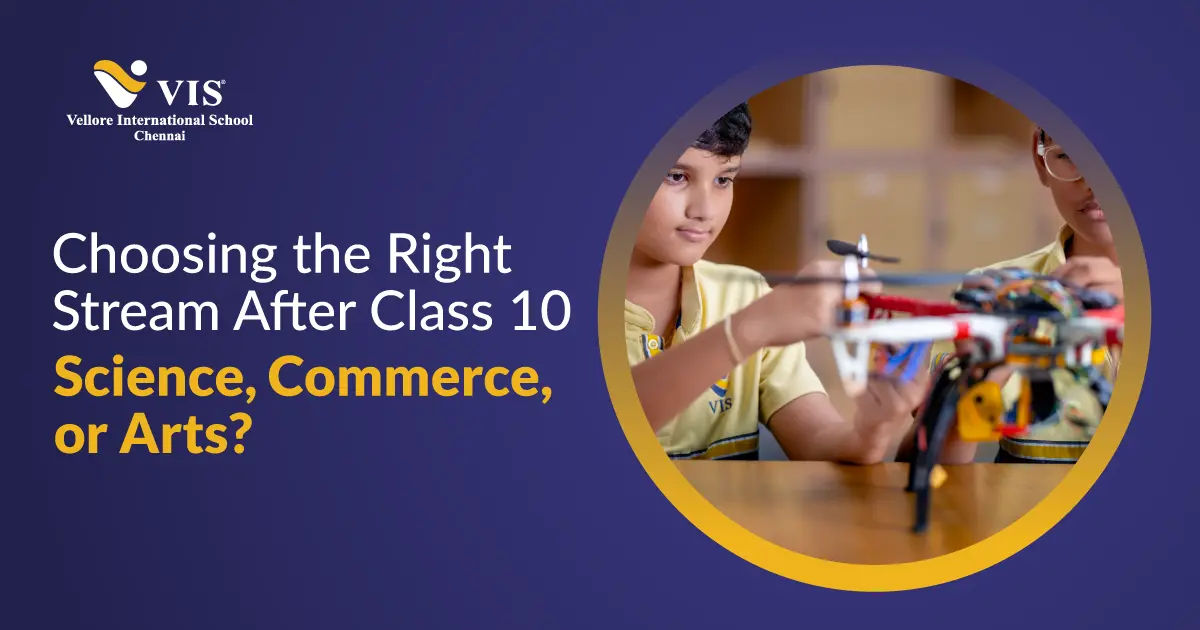
- Coding and robotics activities
- Innovation labs
- Performing arts
- Model making
- Writing and literary clubs
- Scientific investigations
- Design thinking workshops
The benefits of practical learning include boosting imagination, encouraging curiosity, and giving students the confidence to create something new. From a young age, ICSE students learn how to develop ideas, analyse feedback, and refine their output.
6) Higher Education & Careers
Higher education, whether in engineering, medicine, humanities, design, law, or business, requires strong analytical and practical skills. Students must learn how to research, experiment, argue logically, write academically, collaborate, and innovate.
All these strengths are naturally built through practical learning in ICSE. The benefits of practical learning are long term, helping students excel in competitive exams, university programs, internships and eventually in their careers.
ICSE students stand out because they are:
- Independent thinkers
- Confident communicators
- Strong in fundamentals
- Comfortable with real-world problem-solving
- Skilled at managing hands-on tasks
This makes them future-ready, adaptable, and competent in global environments.
Importance of Practical Assessments, Projects & Internal Evaluation
ICSE’s distinctive evaluation pattern gives significant weightage to internal assessments, lab work, practicals, and project submissions. This ensures that practical learning in ICSE is not superficial, students are consistently monitored for skills like:
- Investigation
- Creativity
- Research
- Presentation
- Teamwork
- Problem solving
- Subject application
The benefits of practical learning in assessments include more balanced grading, reduced examination stress, and fairer evaluation, especially for students who excel in practical tasks.
Role of Technology in Practical Learning
Modern ICSE schools integrate technology to improve learning experiences. Digital tools help in:
- Virtual simulations
- Online research
- Coding and robotics
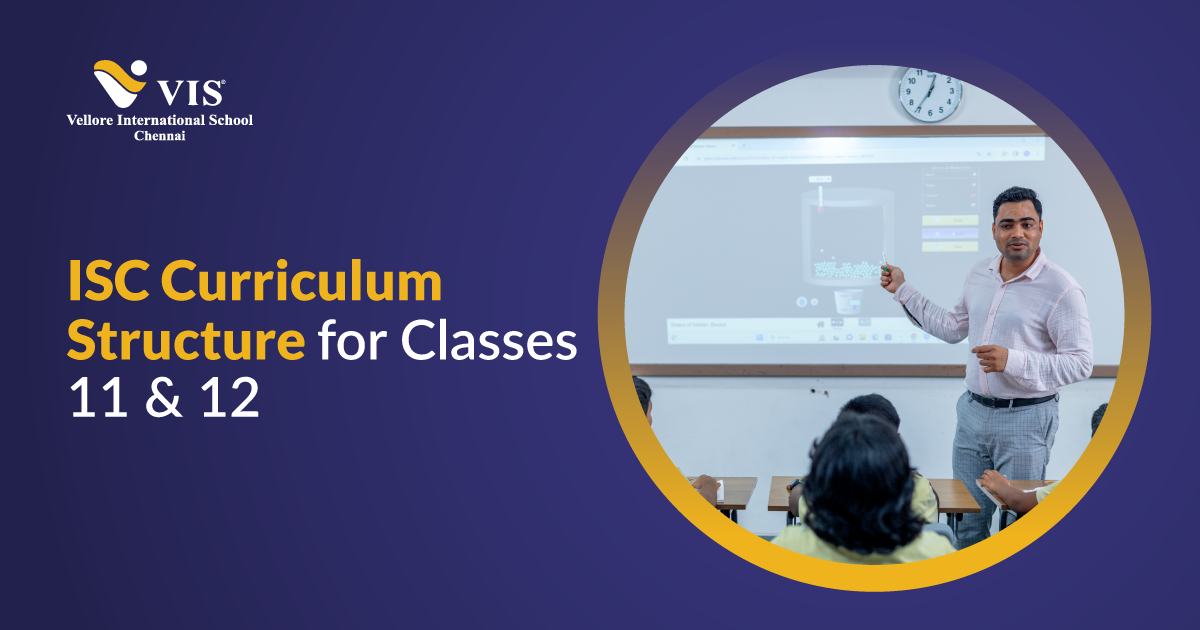
- Interactive whiteboards
- Digital storytelling
- AI learning platforms
- Virtual science labs
These tools make practical learning in ICSE more accessible and dynamic. The benefits of practical learning through technology include increased engagement, faster understanding, and exposure to digital age skills.
Role of Teachers in Strengthening Practical Learning
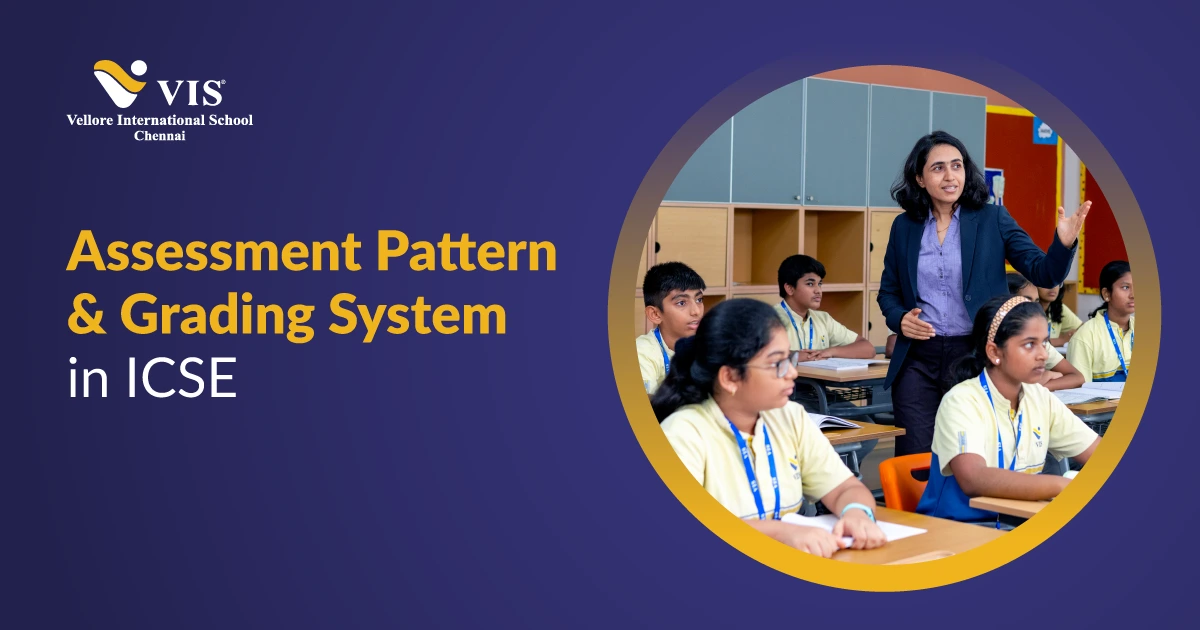
Teachers play a crucial role in delivering practical learning in ICSE classrooms. It is knowing why each activity matters. ICSE educators are trained to:
- Plan meaningful practical sessions
- Encourage inquiry based learning
- Support students in experimentation
- Use creative teaching aids
- Facilitate discussions instead of lecturing
- Evaluate based on application, not memorisation.
The benefits of practical learning reach students faster when teachers create a safe, encouraging environment where children feel free to explore, make mistakes, and learn collaboratively.
Parents’ Role in Supporting Practical Learning at Home
Parents can greatly contribute to practical learning in ICSE by encouraging:
- Discussion based learning
- Home experiments
- Problem solving activities
- Real world math tasks
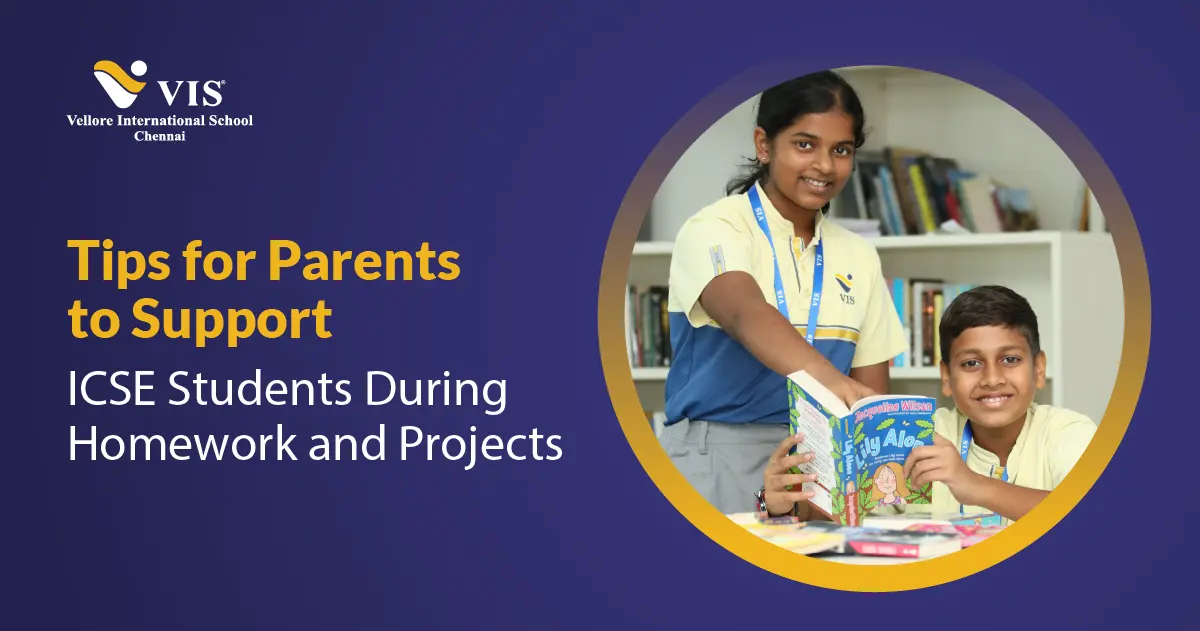
- Library visits
- Creative hobbies
- Small household responsibilities
- DIY projects
Supporting practical experiences at home amplifies the benefits of practical learning, helping children become confident, independent, and proactive learners.
Practical Learning at Vellore International School (VIS Chennai)
Vellore International School stands out as a school that truly lives the ICSE philosophy of experiential education. While many schools talk about practical learning, VIS actually integrates practical learning in ICSE into everyday classroom experiences.
From innovative science laboratories to digital learning spaces, art studios, sports arenas, smart classrooms, music rooms, and innovation labs, VIS offers students an environment where learning becomes an adventure.
At VIS, the benefits of practical learning are evident in the confidence of students, their clarity in communication, their interest in research, and their enthusiasm for interdisciplinary learning.
Vellore International School nurtures young learners to be emotionally strong, academically excellent, physically active, and creatively expressive—making VIS one of the most future-ready ICSE schools in Tamil Nadu.
Final Thoughts
Practical learning is an educational imperative. The ICSE curriculum’s focus is on practical experiences, project assignments, critical thinking, creativity, and live application. Through practical learning in ICSE, children develop confidence, clarity, problem solving ability, curiosity, and innovation.
The benefits of practical learning span academics, personality development, and future career readiness. Schools like VIS Chennai are redefining the ICSE learning experience by creating an environment where theory meets practice, knowledge meets creativity, and learning becomes a joyful lifelong journey.
FAQs
1. Why is practical learning important in ICSE schools?
Practical learning is important in ICSE schools because it helps students understand concepts through real-life application. Instead of memorising, students learn by doing, through experiments, projects, fieldwork, and hands-on activities.
2. How does practical learning benefit ICSE students during exams?
ICSE exams focus heavily on understanding and application. Practical learning strengthens conceptual clarity, making it easier for students to answer application questions confidently. It also reduces exam stress because students recall concepts better when they’ve practised them.
3. What types of practical learning activities are included in the ICSE curriculum?
The ICSE curriculum includes laboratory experiments, model making, coding activities, project work, field trips, map reading exercises, presentations, role play sessions, art integration, and real-world math tasks. These activities help students explore subjects deeply and meaningfully.
4. How does practical learning help in preparing students for future careers?
Practical learning builds essential 21st-century skills like problem-solving, research ability, communication, collaboration, innovation, and digital literacy. These skills are valuable for careers in science, engineering, business, design, humanities, AI and robotics.
5. What makes Vellore International School strong in practical learning for ICSE?
Vellore International School (VIS Chennai) offers modern laboratories, experiential classrooms, innovation spaces, sports arenas, art studios, and activity learning spaces that make practical learning a part of everyday education.