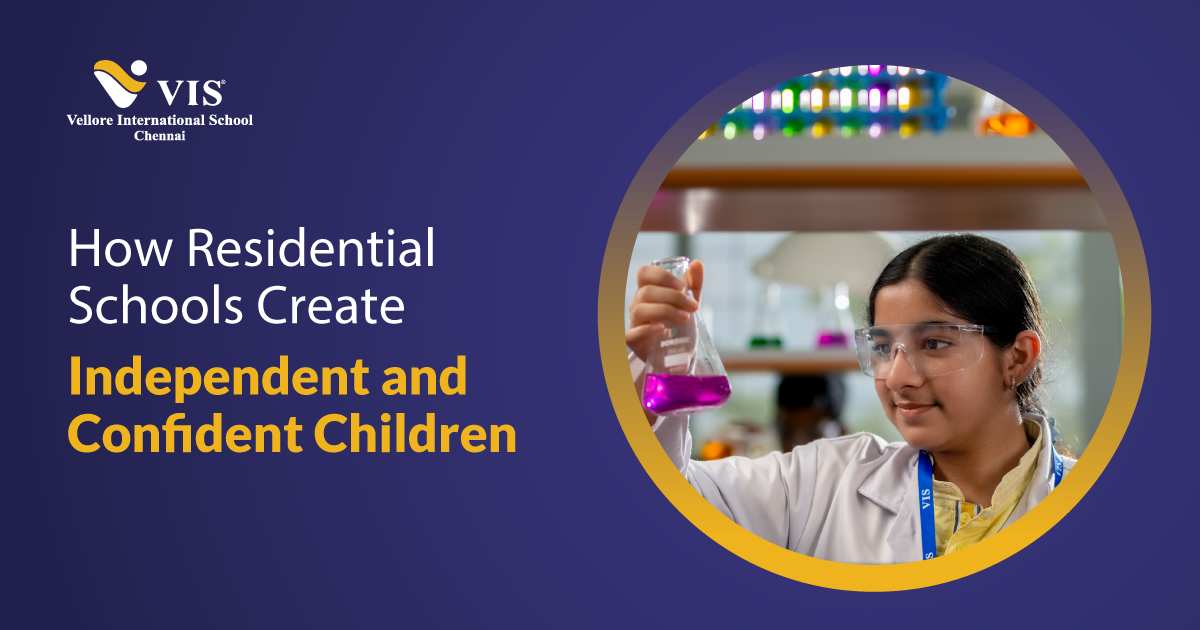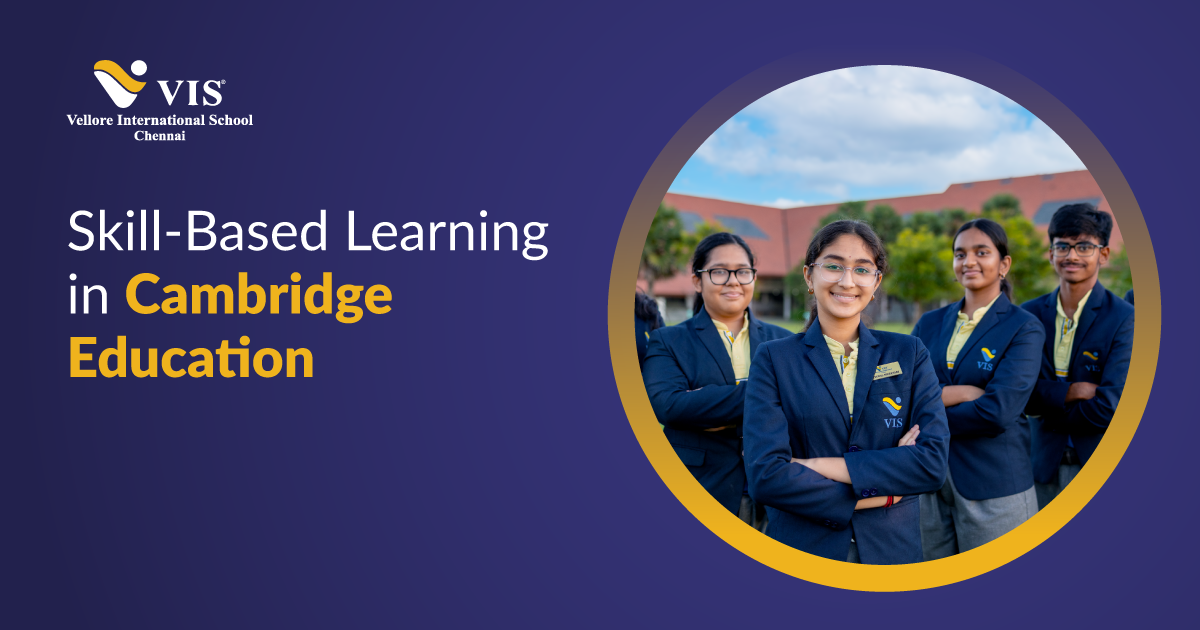
With skill-based learning in the Cambridge curriculum, there is emphasis on learning skills along with academic knowledge. Skill-based learning helps to improve critical thinking and communication skills among students.
The benefits of skill-based learning include the development of personality and better career opportunities for students to face challenges in life and become successful individuals in a competitive world.
Why Skill-Based Learning is Transforming Modern Education
Today education no longer remains tied to textbooks and examinations but the focus has shifted towards cultivating practical abilities among the students. This makes the skill-based learning in the Cambridge curriculum popular and is playing an essential role in preparing students for real-life challenges.
Many schools believe that education should empower students with the ability to think critically and solve problems; that’s why they modify their syllabus with the addition of practical learning.
By integrating skill-based education into everyday learning, schools ensure that our students grow into confident, independent, and capable individuals ready to survive in a competitive global world.
Understanding Skill-Based Learning in Cambridge Curriculum
Unlike traditional role learning methods, the skill-based learning approach focuses on developing communication, critical thinking and other capabilities among students. It allows students to apply theoretical knowledge in practical situations to stand out of the crowd.
Within the Cambridge framework, this approach is built through providing inquiry-based learning, project-based assessments, dealing with real-world problem-solving situations and organising collaborative classroom activities.
Many schools adopt these methods to create an engaging and useful learning experience for the students. Their classrooms are designed to encourage curiosity and discussion among students to ensure active participation.
Core Elements of the Skill-Based Learning Approach
1. Critical thinking and problem-solving
It is the essential skill to develop among students, as within this, students are taught to question, analyse, and evaluate information rather than simply reciting facts. Which helps them develop strong reasoning abilities.
It is found that students engaged in problem-solving-based learning perform better in real-world scenarios compared to those relying on rote learning.
2. Communication skills
Communication is the key to success; every student should work on their communication. Schools organise debates, group discussions, and other activities to help develop communication skills where they can clearly express their ideas.
3. Collaboration and teamwork
Group work and collaborative learning activities help in developing collaboration and teamwork skills. This is important in a collaborative work environment.
4. Creativity and innovation
Creativity is promoted in the Cambridge curriculum by activities that enable learners to explore ideas creatively and think of innovative ideas.
5. Self-management and responsibility
Students should learn to manage their time and also set the goals to be disciplined and independent.
Benefits of Skill-Based Education in Cambridge Curriculum
The advantages of skill-based education go beyond the classroom. Many cambridge curriculum based schools have witnessed how it affects students in their overall growth. A report highlights that education systems focusing on skills improve student engagement by up to 30%.
1. Holistic development
Skill-based education emphasises intellectual, emotional, and social development in students.
2. Better academic performance
Students who understand concepts in-depth and can apply them practically will definitely do better in academics.
3. Better employability skills
It is said that critical thinking, problem-solving, and self-management skills are among the top skills required in future jobs.
4. Better confidence and independence
Students gain confidence by actively participating in learning activities.
5. Global perspective
The Cambridge curriculum promotes a global awareness in students.
How Cambridge Curriculum Encourages Skill Development
The Cambridge curriculum provides inquiry-based learning, where students can explore the topics through questions and research.
Also, they promote the projects and assessments among students that require proper investigation and research, which also promotes the presentation skills.
Not only this but students can work along with real-world applications. As the lessons are connected to real-life situations. After this, students can also get the regular feedback that helps in improving themselves.
How Teachers Drive Effective Skill-Based Learning Experiences
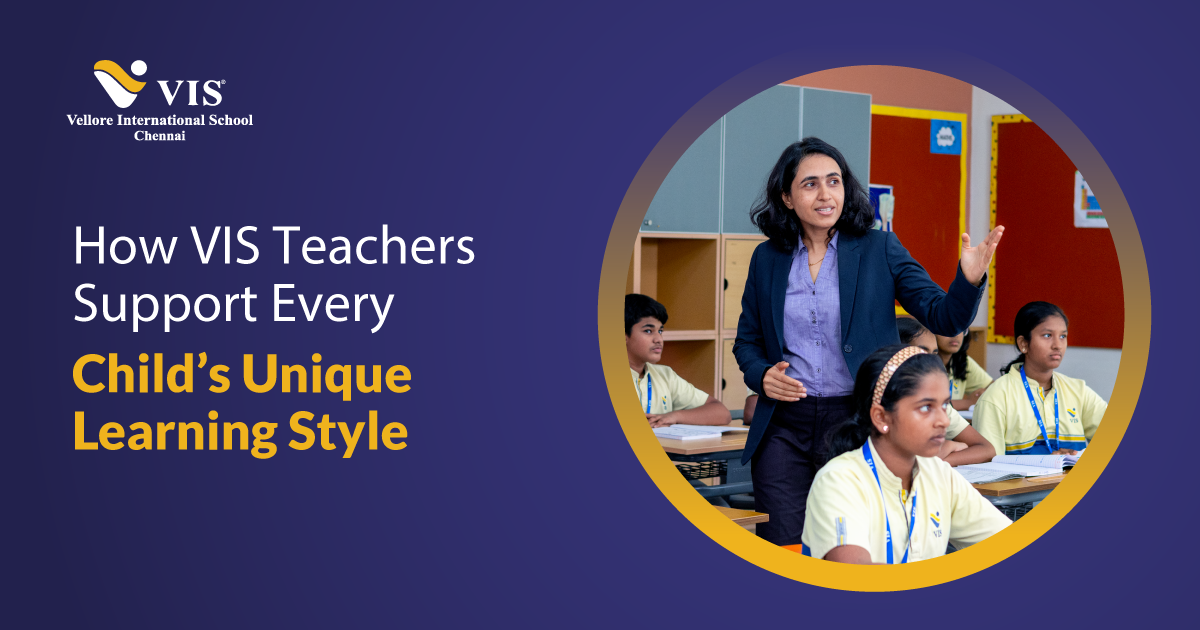
When talking about skill-based learning in the Cambridge curriculum, then it is clear that teachers play an essential role as role models for the students.
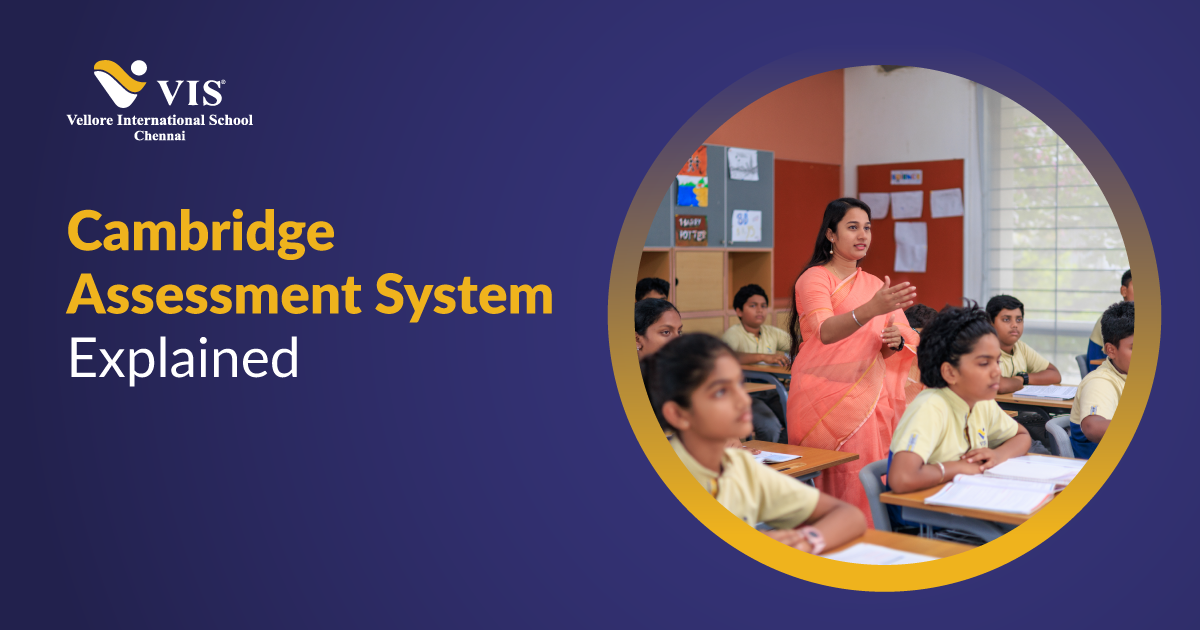
They guide students through interactive learning experiences and encourage independent learning and thinking as well. They also give regular and constructive feedback to the learners through which they can improve themselves and focus more.
Teachers act as mentors and guides that provide a better environment for the students where they can learn and question without fear. And this approach ensures that every student can get one-to-one interaction and opportunities to develop their skills effectively.
The Role of Technology in Empowering Skill-Based Education
The role of technology in the incorporation of skill-based education can be seen as a way of empowering the students by giving them access to technology.
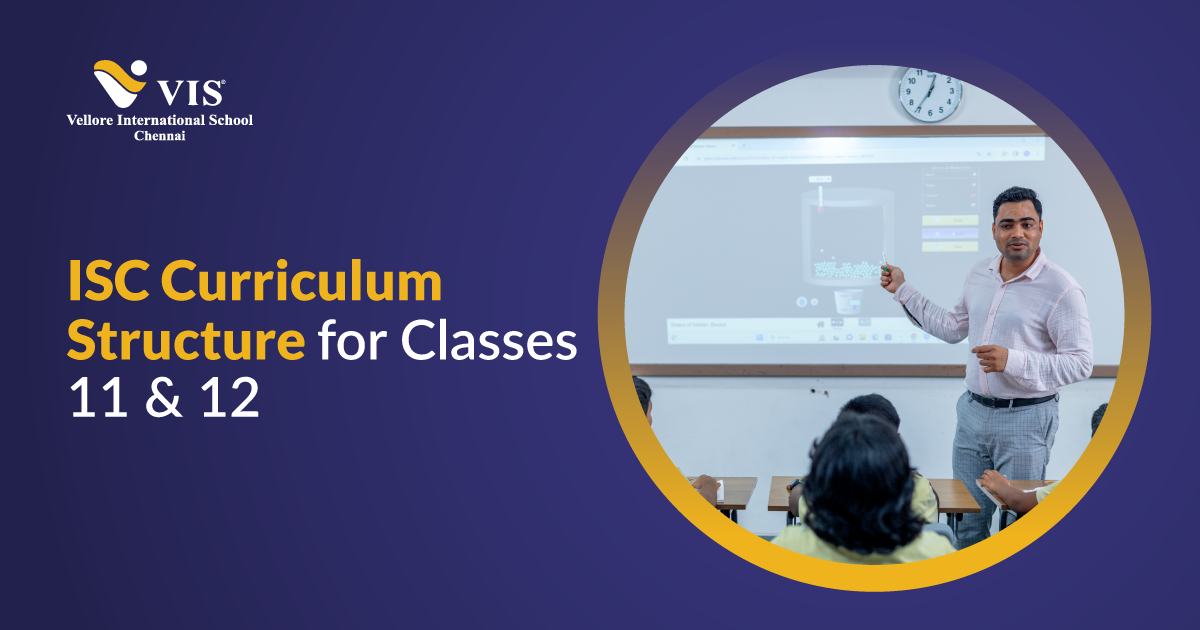
Schools integrate smart classrooms, online research facilities, interactive learning platforms, and other facilities for the students. This helps them become technologically literate, which is important in today’s technologically advanced world.
The modern workforce requires more than just knowledge. And the employers require more than just knowledge. They require people who can think critically, communicate effectively, and learn fast.
The skill-based learning in Cambridge curriculum helps prepare learners for higher education in international institutions.
Why Parents Prefer Skill-Based Learning in Cambridge Education
Today’s parents understand the value of holistic education and they believe Cambridge approach provides the best education. As they have the balanced curriculum, life skills focus and international recognition and also support continuous student development.
At Vellore International School, we work hand-in-hand with our parents to give our students the best educational experience in line with international standards.
Vellore International School: Shaping Future-Ready Learners Through Excellence
When we are looking for skill-based learning in Cambridge curriculum, then the Vellore International School is the best option.
Since we are committed to offering world-class education by nurturing young minds. Through combining academic excellence with essential life skills.
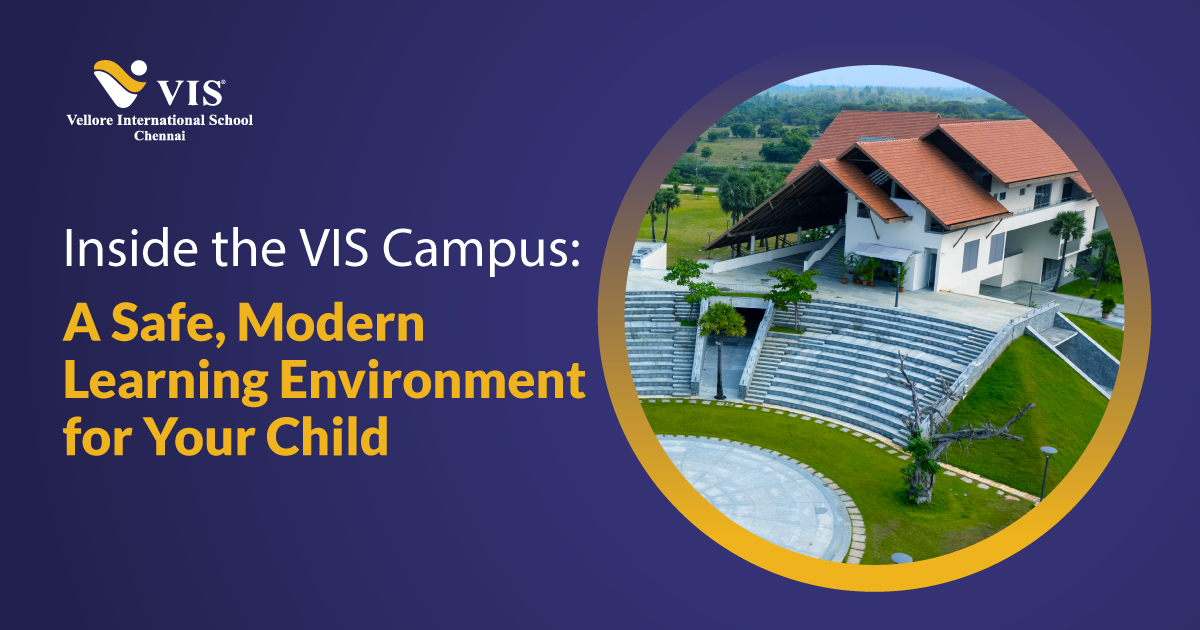
Our focus is to provide a student-centric learning environment with the experienced and dedicated faculty. We also have modern infrastructure and technology that provide the opportunity for skill development to students.
We also help parents to support their child and allow them to have a better education for a bright future.
Final Thoughts: Get Lifelong Success Through Skill-Based Learning
In the ever-changing world that we live in, education must always be prepared to change and respond to new challenges. Skill-based learning in Cambridge curriculum can be seen as a progressive approach that moves away from conventional ways of thinking and provides students with the power to think independently and solve real-life problems.
By understanding the benefits students are able to acquire knowledge, thinking skills, and life skills that are relevant to their lives. In this manner, the students are not only academically prepared but are also confident individuals who are ready to face new challenges.
FAQs
1. What is skill-based learning in the Cambridge curriculum?
It is an educational method that lays emphasis on learning skills such as critical thinking skills, communication skills, and problem-solving skills along with theoretical knowledge.
2. What are the benefits of skill-based learning for students?
It is helpful in developing students, instills confidence in them, and prepares them to face real-life situations and challenges.
3. How does the Cambridge curriculum facilitate skill development?
By emphasising inquiry-based learning and real-life applications that encourage active participation.
4. Is skill-based learning better than traditional learning?
Of course, skills-based learning prepares the students for all the situations.
5. How does Vellore International School get along with skill-based learning?
We use interactive learning methods and technology to facilitate skill development for our learners.
6. How does skill-based learning enhance academic performance?
Students will better comprehend concepts, thus improving academic performance.
7. What skills will my child acquire through learning at Cambridge?
Critical thinking, communication, teamwork, creativity, and self-management skills will be imparted to our learners.
8. How does skill-based learning prepare my child for their future career?
Students will acquire skills that are essential in modern workplaces, including problem-solving and adaptability skills.
9. Does the Cambridge curriculum have global recognition?
The curriculum is widely accepted in various universities and learning centres all over the world.
10. Why should I opt for skill-based learning for my child?
Parents will opt for skill-based learning for their child because it will result in comprehensive development, global exposure, and preparation for the future.