The residential school advantage includes inculcating the values of independence, discipline, and emotional strength from a tender age.
At Vellore International School, it is made sure that confidence is inculcated within the pupils by following the set schedule, academics, and other activities. Confidence, responsibility, and communication skills can be acquired through a residential program.
Understanding the Residential School Advantage in Students’ Lives for a Stronger Future
However, education for some parents goes beyond mere academic achievements and focuses more on how their children will fare in life. Here, the residential school advantage is seen clearly.
Apart from the academic aspect, the residential schools place great emphasis on confidence-building amongst students. It helps the children grow into self-reliant, responsible, and emotionally stable individuals.
This is the principle behind our residential school system at VIS Chennai. We believe that global education helps students achieve success and also build their strong personalities. .
A residential learning environment provides a platform to help students realise their potential, gain self-discipline, and have confidence for the future ahead. Let’s discuss the advantages of these residential schools together through this blog.
Why Residential Schooling Matters in Modern Education
Students today require much more than knowledge gained within a class to succeed. The need for communication skills, emotional maturity, adaptability, and self-confidence should be taken into account when preparing young people for a future that will inevitably bring challenges.
Living away from home makes children more organised and responsible. Being in such a setting makes them develop skills related to schedule management, decision-making, and collaboration with other people.
Gradually, all of these experiences increase self-reliance and self-assurance. According to the report published on World Economic Forum, resilience, adaptability, and communication skills are considered to be essential future skills.
This is what makes residential education a relevant option for concerned parents and also give assurance that this builds confidence among students.
The Residential School Advantage: Building Life Skills Beyond Academics
One major advantage of residential schooling is that learning never stops once school time ends. The students are always in an environment where they are learning and growing in various aspects of life.
These schools encourage the development of many minor skills, such as personal hygiene, punctuality, organising things, and so forth. In the process of developing these skills, self-discipline and self-reliance will be fostered.
Social skills are another set of skills learned through residency schooling. As the students live in an environment with their peers, they learn how to be patient, how to cooperate, how to have respect and empathy for others, and how to settle disputes amicably.
How Residential Schools Support Confidence Building in Students
Developing Self-Confidence in Students by Means of Regular Interaction and Self-Responsible Actions
One cannot develop self-confidence quickly and instantly. Instead, it should be cultivated via situations where a person encounters challenges, finds solutions, and discovers their strengths. Such an experience can be gained in residential schools.
Students usually engage in class debates, group activities, presentations, and cultural programs. All these interactions help students get out of their comfort zones and boost their confidence.
Since students live in an environment where they are supported but also have to depend on themselves, they start becoming more confident about making their own decisions. This ability to rely on oneself is perhaps one of the best things about residential schools.
According to a study, students who are involved in collaborative and extracurricular activities tend to demonstrate more self-confidence and adaptability socially.
Developing Emotional Strength and Resilience
At residential school students learn emotional resilience, as they have to leave home and get settled in a new environment.
Then with appropriate guidance and care, however, the child learns how to handle emotions and cope with different surroundings and situations. These skills prove extremely useful not only during the course of their studies at a residential school but also later on in higher education and professional life.
Students who are enrolled in our VIS Chennai residential school receive the necessary emotional guidance and support while also learning to become more independent and confident personalities.
Established Routines Help to Build Self-Discipline and Self-Reliance
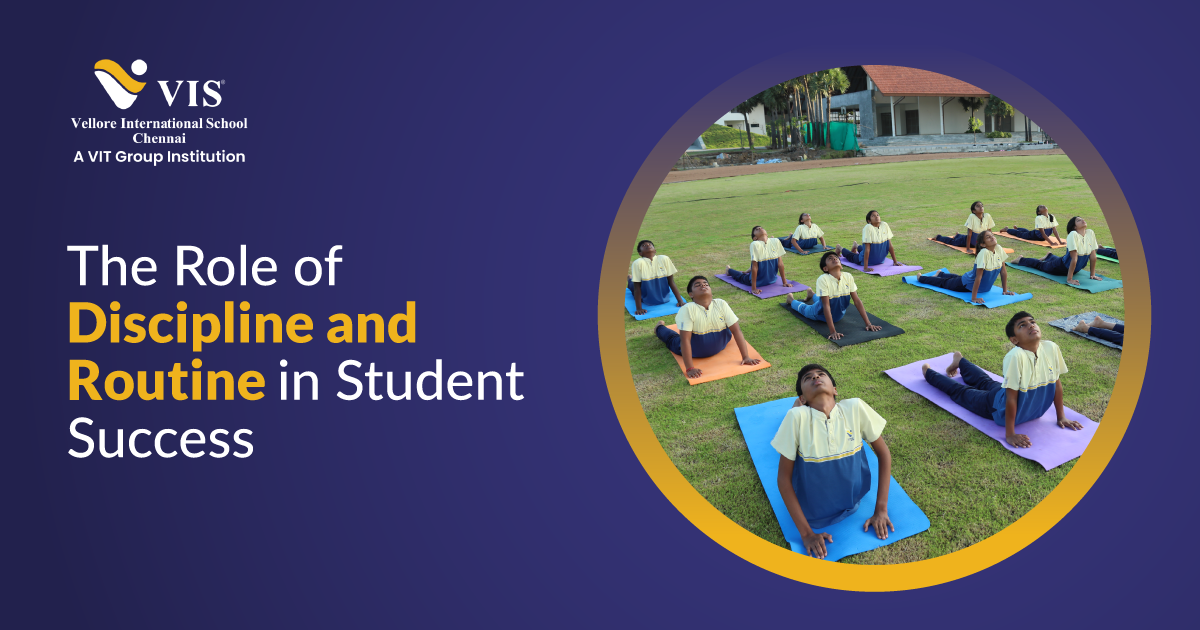
An organised schedule forms a very important part of residential education, as it develops self-discipline and independence in the children.
The routines followed by a residential institution include not only the academics and physical activities but also studying hours, recreational activities, and sleep times.
After some time, the child starts to acquire good habits like punctuality, regularity, and reliability. It is these habits that make for great success in any aspect of one’s life.
The Role of Co-Curricular Activities in Confidence Building
Confidence can be gained both in and out of the classroom.
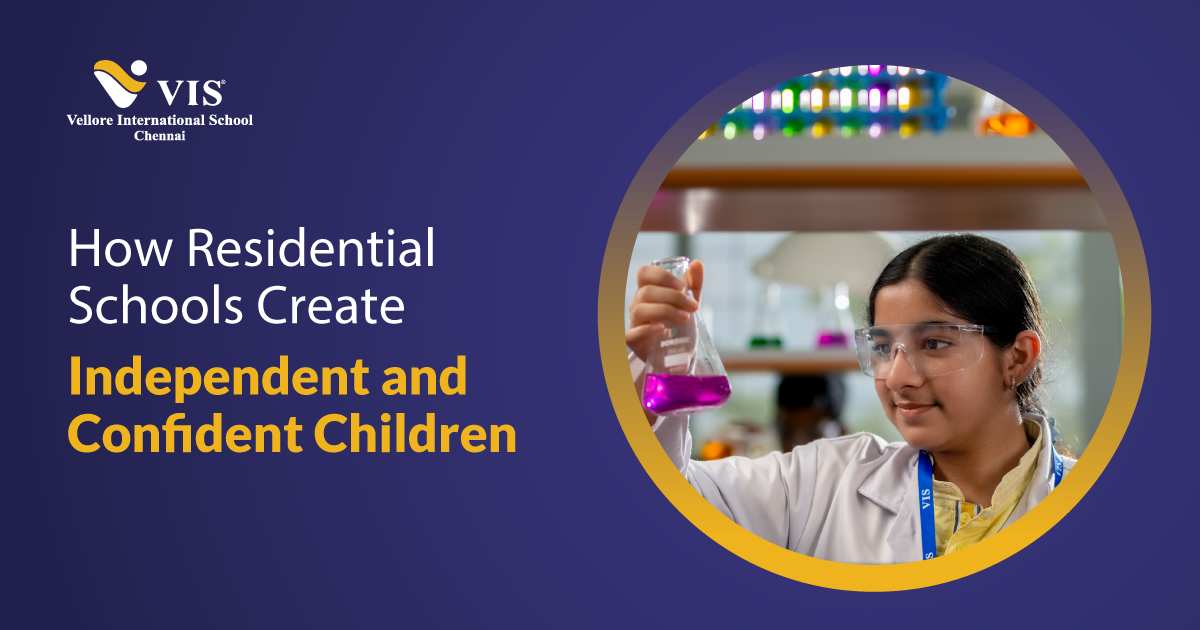
Good residential schools enable their students to engage in sporting, debating, music, drama, artistic, and leadership programs. Such activities assist children in discovering hidden talents and building up feelings of accomplishment.
Whichever activity involves them in doing something special before other people, it adds to the development of self-confidence.
According to the recent study, engagement in the arts and sport increases self-esteem and social skills among school-aged children.
Safe & Supportive Community That Encourages Progress
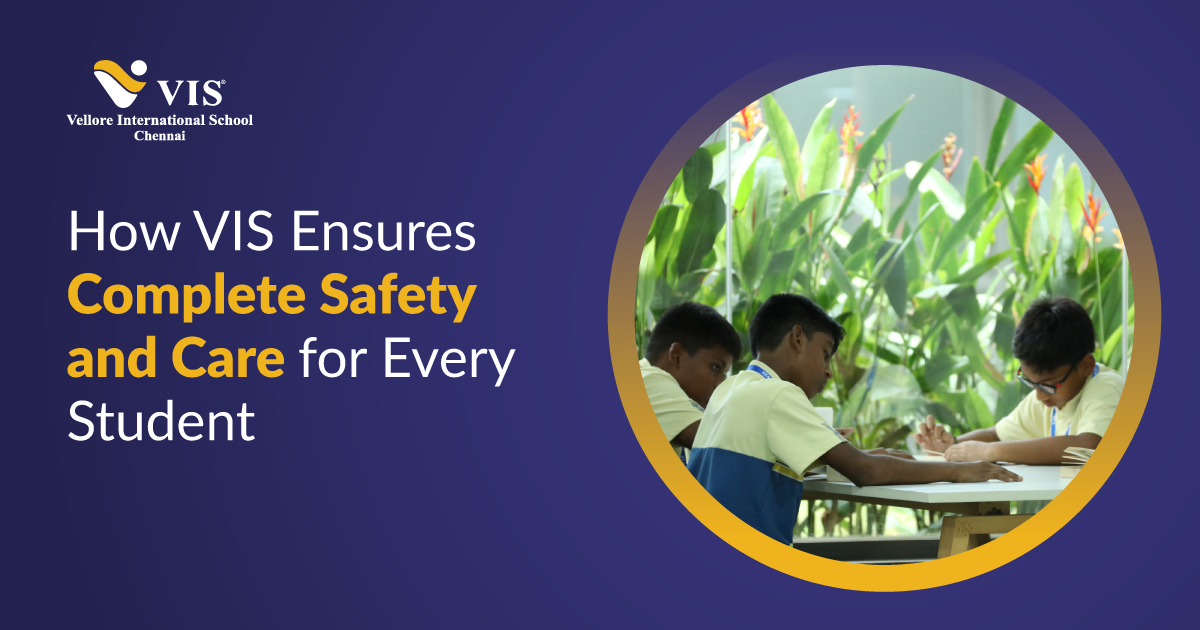
At a good residential school, children learn and develop not alone but always surrounded by a guided and supportive community made up of teachers, counsellors, and peers.
Such a surrounding gives them a feeling of safety and support as they learn new things and tackle new problems.
At VIS Chennai, we believe that self-confidence is achieved when children feel safe and supported.
Vellore International School: Nurturing Independent Thinkers and Confident Individuals
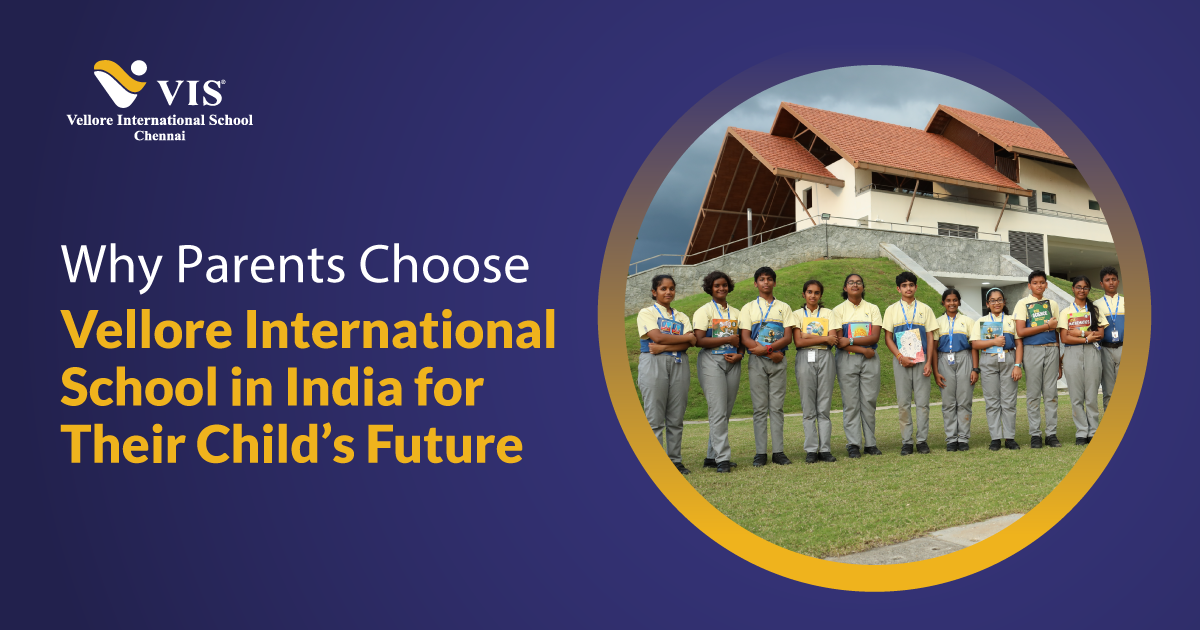
When talking about residential school advantages, you must take a look at Vellore International School, as here we create a residential environment where students learn to balance academic achievement with personal growth.
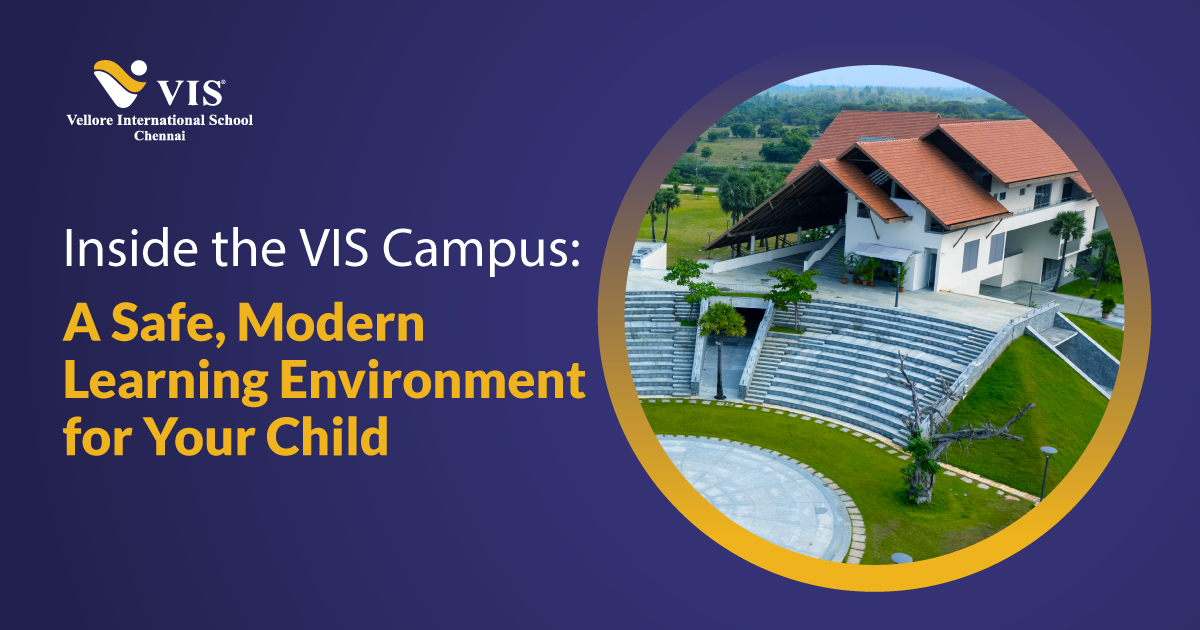
We focus on discipline, care, and holistic development through structured routines and modern learning spaces where we help children grow into independent thinkers and confident individuals.
We believe the true purpose of education is not only to teach subjects but also to prepare children for life with courage, curiosity, and character.
To wrap up: Why Residential Schooling Helps Shape Independent, Confident Children
The residential school advantages are not limited to studies alone. With the benefits of the residential school system, children gain life skills, emotional strength, and maturity which they can retain for many years ahead.
Confidence building is one of the key aspects of learning in this entire process, enabling the learners to believe in themselves, express themselves clearly, take wise decisions, and confidently meet the world.
At VIS Chennai, it is our commitment to provide an atmosphere that helps in nurturing the child as a complete individual who is competent and confident enough.
| Experience confidence and independence in your child’s growth through Vellore International School, Chennai. |
FAQs
1. How do residential schools promote independence among children?
Children should develop themselves in terms of being self-reliant in respect of their schedule, timing, and responsibilities. They eventually become organised and self-reliant owing to this.
2. How does residential school education instil confidence amongst the students?
Students can gain confidence in themselves by participating in conversations, activities, decisions, and leadership.
3. Is there any emotional barrier faced while attending residential schools?
It might be difficult for children to adapt to the new setting, but due to the assistance from teachers and mentors, they soon adapt.
4. Is the education imparted in residential schools academic only?
Not at all! Academic and personality development both get equal importance in residential schools.
5. How do residential schools help parents?
The main advantage is that parents will know that their child has been developing himself in an organised, disciplined, and caring atmosphere.
6. Can shy children become expressive in residential schools?
Yes indeed! Children who are shy get ample opportunities to take part in various activities and communicate and become expressive eventually.
7. In what ways do boarding schools teach discipline?
Punctuality, responsibility, and discipline are taught to the students by means of daily routine, a timetable of studies, and teamwork.
8. Is there a need for extracurricular activities in boarding schools?
Yes, extracurricular activities allow the students to discover their talents, cooperate with others, and gain confidence outside of academics.
9. Why is VIS Chennai an ideal place for studying?
VIS Chennai is an ideal place for learning because of experienced teachers, safe environment, disciplined schedule, and learning atmosphere.
10. Why is boarding education the best choice for your child?
Boarding education will definitely make your child independent, confident, disciplined, and emotionally mature.