Preparing for the ICSE (Indian Certificate of Secondary Education) Board Exams can be challenging for students.It’s important to understand that scoring well in the ICSE Class exams demands consistent effort and a disciplined study approach.
It’s important to take helpful tips and techniques for ICSE board exams to maximise your chances of success. However, remember that these tips will only help if you’re committed to putting in the hard work and staying consistent with your study schedule.
Also check – 15 Benefits Of Digital Classrooms for Students
How To Prepare For ICSE Board Exams: Tips And Strategies
Here are the effective tips and strategies on how to prepare for ICSE Board Exams, ensuring these tips are helpful for students to be well-prepared and confident on exam day.
1. Understand the Exam Structure
Before stepping into preparation techniques, it is crucial to understand the exam structure. The ICSE Board Exams include various subjects with different formats and types of questions. Keep up to date with the syllabus, marking scheme and examination pattern will help you create a focused study plan. The first step in how to prepare for ICSE Board Exams is a thorough knowledge of what to expect.
2. Create a Complete Study Plan
A well-structured study plan is fundamental to effective exam preparation. Start by allocating time for each subject according to your strengths and weaknesses. A balanced plan should include the following components:
- Daily Study Schedule: Set specific hours each day for studying. Ensure you include regular breaks to enhance productivity.
- Weekly Goals: Set simple weekly objectives to cover specific chapters or topics.
- Revision Periods: Set time for revision and practice tests. This is crucial for good knowledge.
The key to how to prepare for ICSE Board Exams lies in maintaining consistency and discipline in adhering to your study plan.
3. Focus on Core Subjects
The ICSE curriculum includes English, Mathematics, Science, Social science Studies, and various electives. While all subjects are important, some students may find particular subjects challenging. Identify your strengths and weaknesses and focus on subjects that require more attention.
For example:
- If Mathematics is difficult, dedicate extra time to solving problems and understanding concepts.
- For languages, practice essays, cognition and grammar regularly.
Ensuring adequate focus on core subjects is an essential part of how to prepare for ICSE Board Exams effectively.
4. Use Quality Study Materials
The quality of your study materials can greatly influence your preparation. Make sure to use recommended textbooks, ICSE guidebooks and reference materials. Additionally, online resources, such as educational websites, video lectures and interactive tutorials, can provide valuable support.
| Did you know?National Education Policy (NEP) RecommendationsThe government has introduced initiatives to integrate skill development in schools. As part of ICSE preparation, students are advised to engage in extracurricular activities that boost memory power, soft skills, creativity, and collaborative work, which are crucial for personal growth and future opportunities. |
Consider creating a folder of notes for each chapter or topic. This will come in handy for quick revisions closer to the exam date.
5. Practice with Previous Year’s Question Papers
One of the best ways to prepare for the ICSE Board Exams is to practice with the previous year’s question papers. This gives you the format and helps you understand the questions asked in the exam. Here’s how to approach it:
- Simulate Exam Conditions: Set a time for practice in a quiet environment, replicating the exam conditions.
- Time Yourself: Use a timer to manage your exam duration, simulating real exam pressure.
- Review Your Performance: After completing each paper, review your answers against the marking scheme to identify areas for improvement.
Practising past papers is a key component of how to prepare for ICSE Board exams effectively.
6. Revise Regularly
Revision is crucial for retention. As you complete each chapter or topic, allocate time to revise what you have learned. Here are some effective revision techniques:
- Mind Maps: Create mind maps to visually chapter topics.
- Flashcards: Use flashcards for important definitions, formulas and dates. This helps in quick recall.
- Group Studies: Consider studying with classmates to reinforce learning through discussions and quizzes.
Regular revision will keep the information fresh and is vital in shaping your preparation for the ICSE exams.
7. Stay Healthy and Manage stress
During exam preparation, students often ignore their health. Maintaining good physical and mental well-being is essential. Here are ways to stay healthy and manage stress before the exams:
- Balanced Diet: Consume nutritious meals to energise your mind and body.
- Regular Exercise: Follow regular physical activities such as walking, yoga, or sports to relieve stress.
- Good Sleep: You get enough (8 hrs) sleep each night, particularly during the weeks leading up to the exam.
Managing stress is an integral part of how to prepare for ICSE Board Exams. Remember, a healthy student is a successful student.
8. Seek Help When Needed
Don’t hesitate to seek help if you face difficulties. Whether you clarify doubts with teachers, join a study group, or hire a tutor, finding support can enhance your understanding of complex subjects. At VIS, our faculty is always available to assist students, ensuring that support is readily accessible.
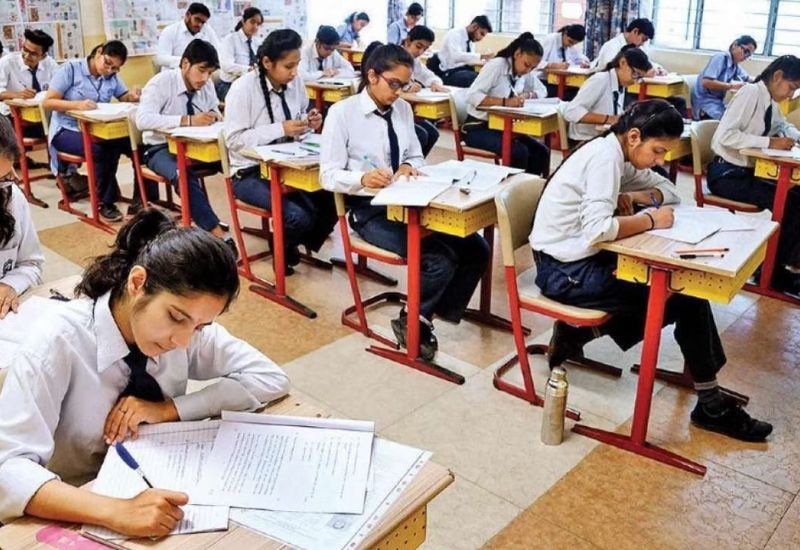
9. Simulate Exam Conditions
As you close the exam date, it’s helpful to affect the exam conditions as closely as possible. This includes timing your practice sessions, sitting at a desk and quieting distractions. Practising under exam conditions can significantly enhance your confidence.
10. Stay Positive and Confident
Finally, maintaining a positive mindset can significantly impact your preparation. Instead of worrying about the results, focus on your effort and preparation. Make sure you are doing well in the exams and confirm your belief in your abilities.
From Preparation to Achievement: Mastering the ICSE Journey with VIS
- At Vellore International School (VIS), we believe that choosing the right educational board is crucial for your child’s long-term success. The ICSE (Indian Certificate of Secondary Education) curriculum offered at VIS provides a strong foundation in academics, as well as critical thinking, creativity, and a passion for learning.
- Choosing for the ICSE board at VIS ensures that your child receives a well-structured education that concentrates not only on subject knowledge but also on developing skills essential for life and work. The curriculum promotes in-depth understanding and application of concepts rather than complete memorisation, preparing students for higher education and future careers.
- With a wide range of electives, including arts, sciences, and languages, the ICSE curriculum motivates students to examine their interests and passions and discover their strengths. At VIS, our experienced teachers create an attractive learning environment that nurtures curiosity and innovation, empowering students to excel.
- Moreover, the highly respected ICSE certification is recognised by universities worldwide, opening doors to classic opportunities. By choosing the ICSE board at VIS, you are investing your child with the skills, knowledge, and confidence necessary to succeed in a modern tech world.
- Invest in your child’s future today by choosing Vellore International School and the ICSE curriculum, which is a decision that will shape their tomorrow.
Conclusion
Finally, each of the tips and strategies clearly outlines the pattern for the ICSE Board Exams, which require a systematic approach, including understanding the exam structure, creating a detailed study plan, and engaging in regular practice and revision.
By following these strategies and tips on how to prepare for ICSE Board Exams, students can enhance their knowledge and confidence, setting themselves up for success.
FAQs
1. When should students start preparing for ICSE board exams?
Students should ideally begin their preparation at the start of the academic year. This gives them enough time to understand concepts, revise thoroughly, and practice question papers. Early preparation also reduces stress and builds confidence closer to the exam.
2. How many hours should I study daily for ICSE exams?
Students should aim to study around 4–6 hours daily with full concentration and proper breaks. The number of hours may increase as exams approach, depending on individual needs. Quality of study is more important than the number of hours spent.
3. Is it necessary to follow a timetable for ICSE preparation?
Yes, following a timetable helps students stay organised and disciplined throughout their preparation. It ensures that all subjects are covered equally and no topic is missed. A proper schedule also helps in managing time effectively for revision and practice.
4. How important are prescribed textbooks for ICSE exams?
Prescribed textbooks are extremely important as they form the base of the ICSE syllabus. Most exam questions are directly or indirectly based on these books. Students should first complete their textbooks before referring to additional study materials.
5. What is the best way to improve writing speed during exams?
Improving writing speed requires regular practice through timed tests and mock exams. Writing answers daily helps students develop speed as well as clarity in presentation. Maintaining neat handwriting while increasing speed is equally important.
6. How can I score better marks in ICSE practical exams?
To score well in practical exams, students should understand the concepts behind each experiment. Maintaining neat and complete practical records is essential for good internal marks. Performing confidently during the viva and practical session also plays a key role.
7. Are sample papers more useful than previous year question papers?
Both sample papers and previous year papers are equally useful for preparation. Previous papers help students understand exam patterns and frequently asked questions. Sample papers, on the other hand, expose students to new question formats and difficulty levels.
8. How can I avoid last-minute exam stress?
Students can avoid last-minute stress by completing their syllabus well in advance. Regular revision and practice help in building confidence before exams. Maintaining a healthy routine with proper sleep and breaks also reduces anxiety.
9. Should I study multiple subjects in a day or focus on one subject?
It is advisable to study 2–3 subjects in a day to maintain variety and avoid boredom. This approach helps in better retention and keeps the mind active. Focusing on one subject for too long can lead to fatigue and reduced productivity.
10. How can I stay motivated during long exam preparation periods?
Staying motivated requires setting small, achievable goals and tracking progress regularly. Taking short breaks and rewarding yourself after completing tasks can keep your energy levels high. Surrounding yourself with a positive environment also helps maintain focus and determination.